

The Design Brief
During my time as an intern at Midstory during the Summer of 2025, I was part of a group working on a story about the environmental degradation of the Mill Creek Watershed in Ohio. A storymap would be made for this project, and I collaborated with a team to create a series of vignettes that showcased the gradual urban development of what was once a wild area. This storymap would go on to be published by Midstory as Up Mill Creek.
The Concept
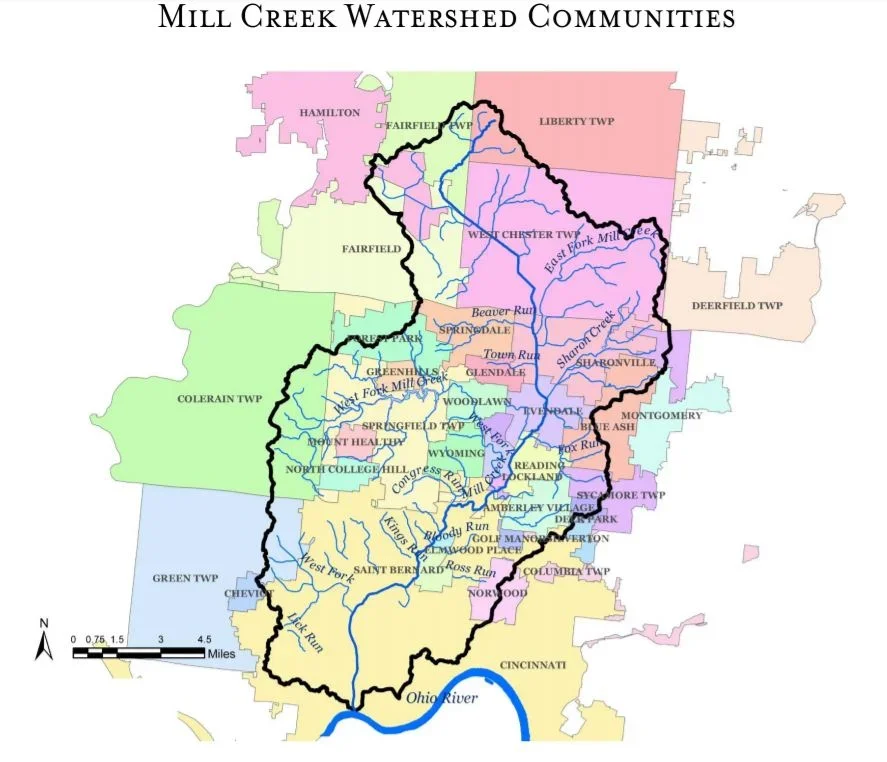
The Mill Creek Watershed is a large freshwater tributary coursing through roughly 166 square miles in Southern Ohio. What used to be a sprawling freshwater ecosystem has now been heavily urbanized, with more than 450,000 people living in various communities throughout the watershed.
Due to the watershed’s natural function as a drainage basin for rainwater, the urban development of the area means that many of the local communities suffer flooding during various parts of the year. This, in turn, creates a tension between the livelihood of communities, and the necessity of wild areas.
Midstory sought to voice community experiences, concerns, and opinions regarding the watershed, and formulate them into a story about the area’s development, communities, and environmental impacts. As a part of the team working on this story, I not only got to see a part of the watershed myself in the Cleveland area, but also work on developing the graphical elements for the storymap that would be published by Midstory.
The Research
Much of the preliminary research for this project came in the form of community research over environmental. In order to most faithfully tell the Mill Creek Story, an understanding of the people living there was critical, and so plenty of research was done on Mill Creek communities in order to ascertain their relationships with nature, the amount of green space present in these communities, and talks with both residents and elected officials.
One particular opportunity for engagement was a listening event hosted in collaboration by both Midstory and Kim Woodford, founder of Journey on Yonder. Held in the community of Maple Heights, this event presented a golden opportunity to hear firsthand opinions and experiences from residents of the area in regards to the watershed’s environment. I not only helped in facilitating the event, but I also designed the advertising for it, as seen below.

The Process
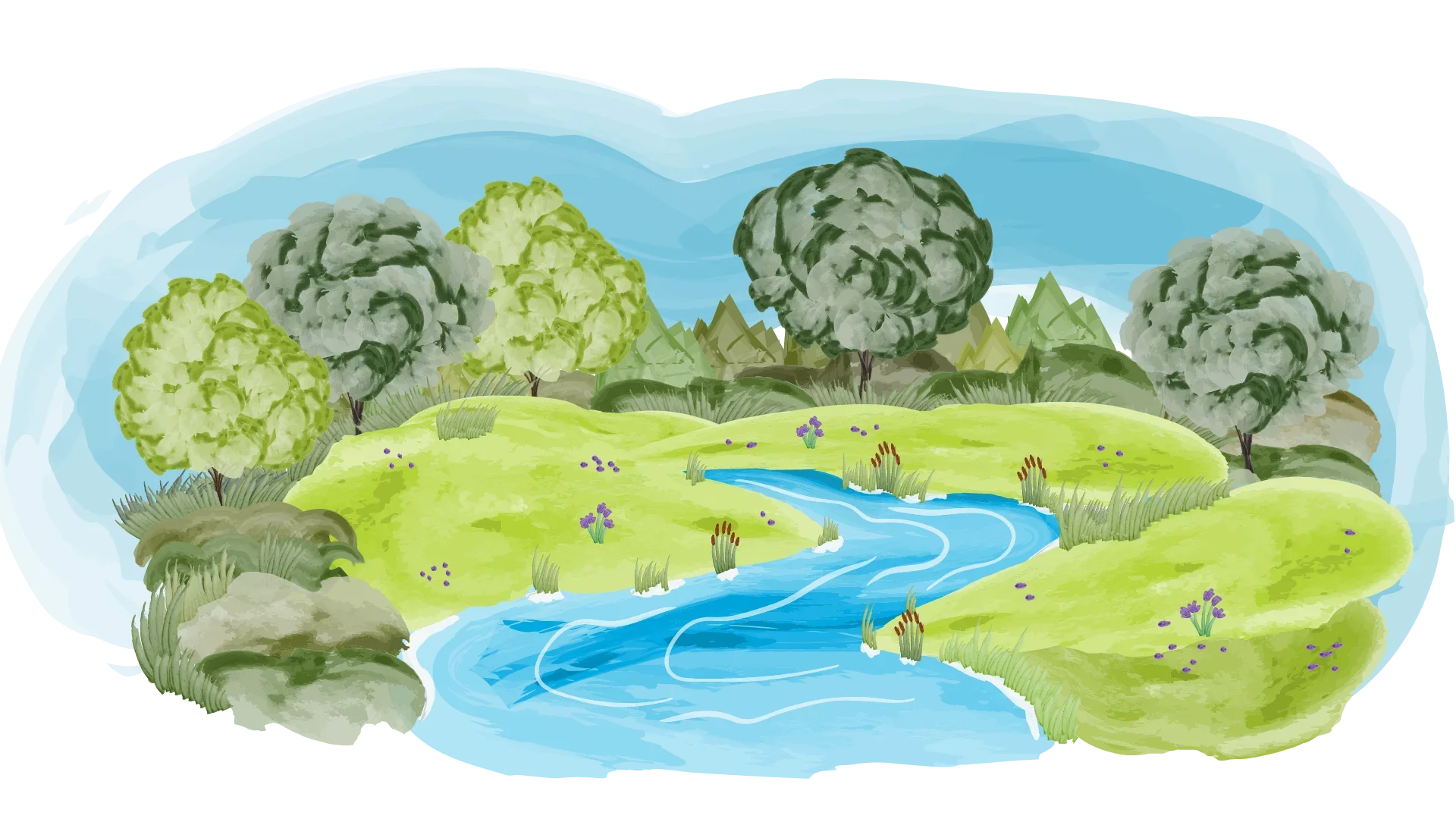
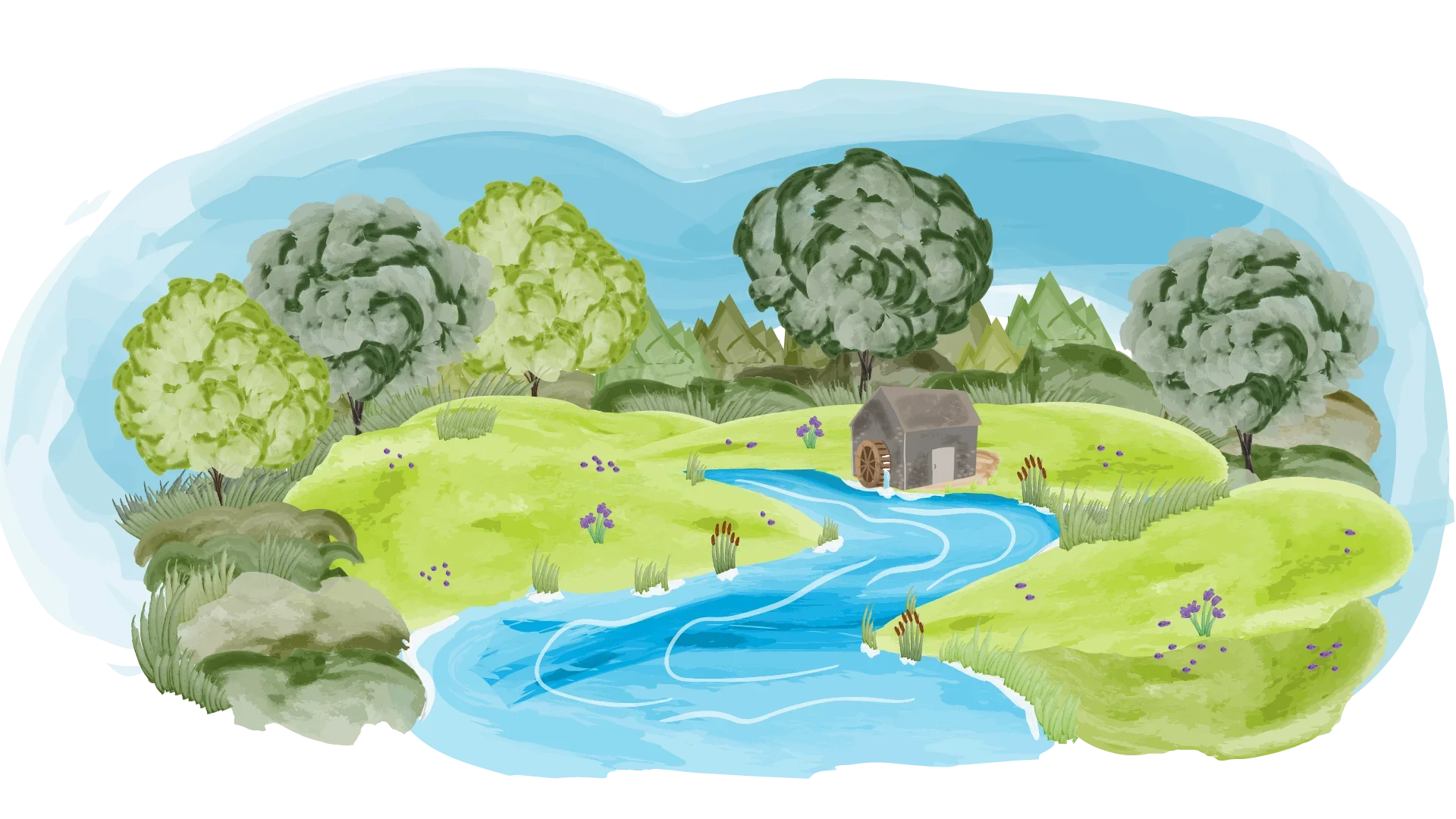
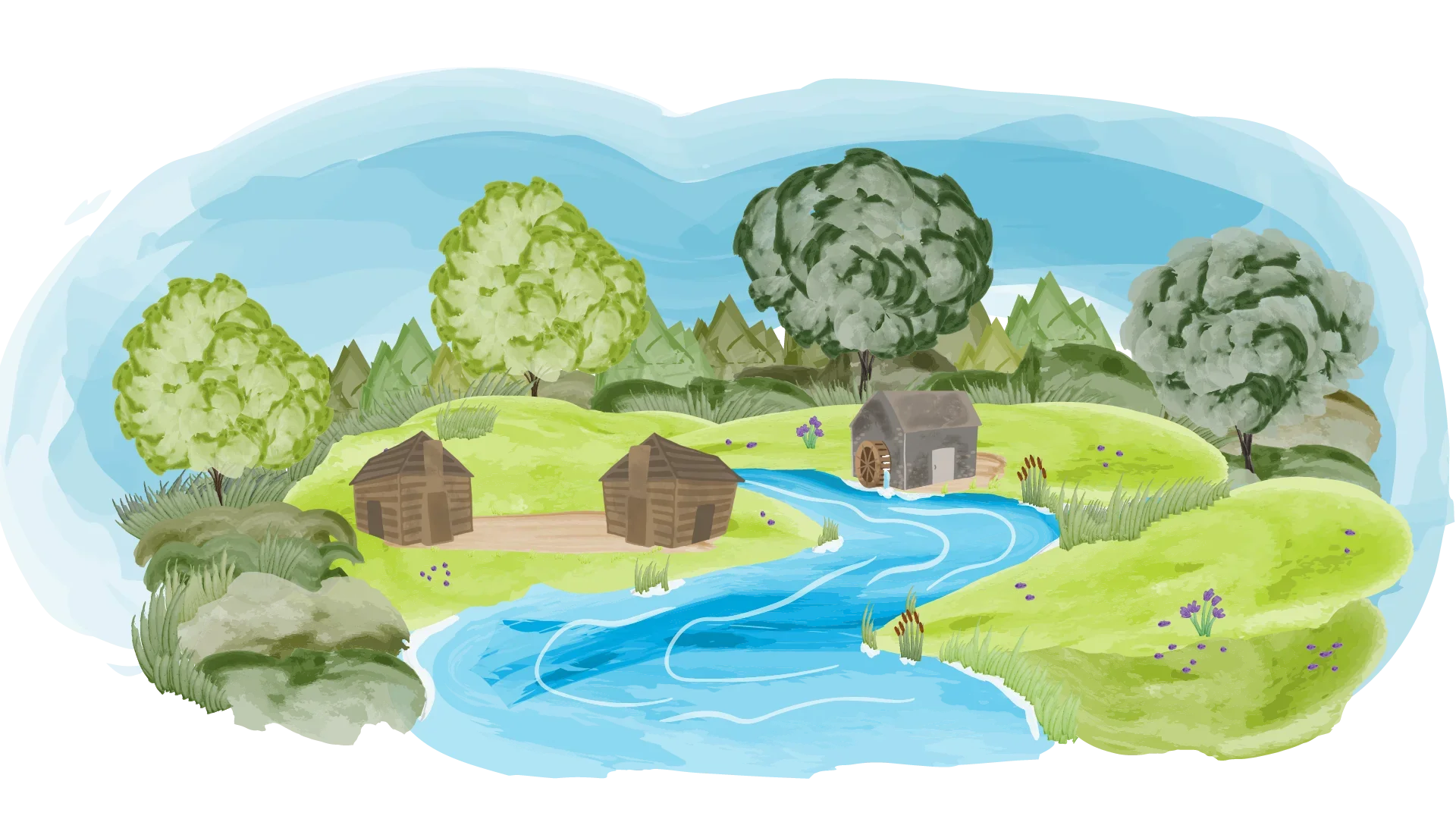
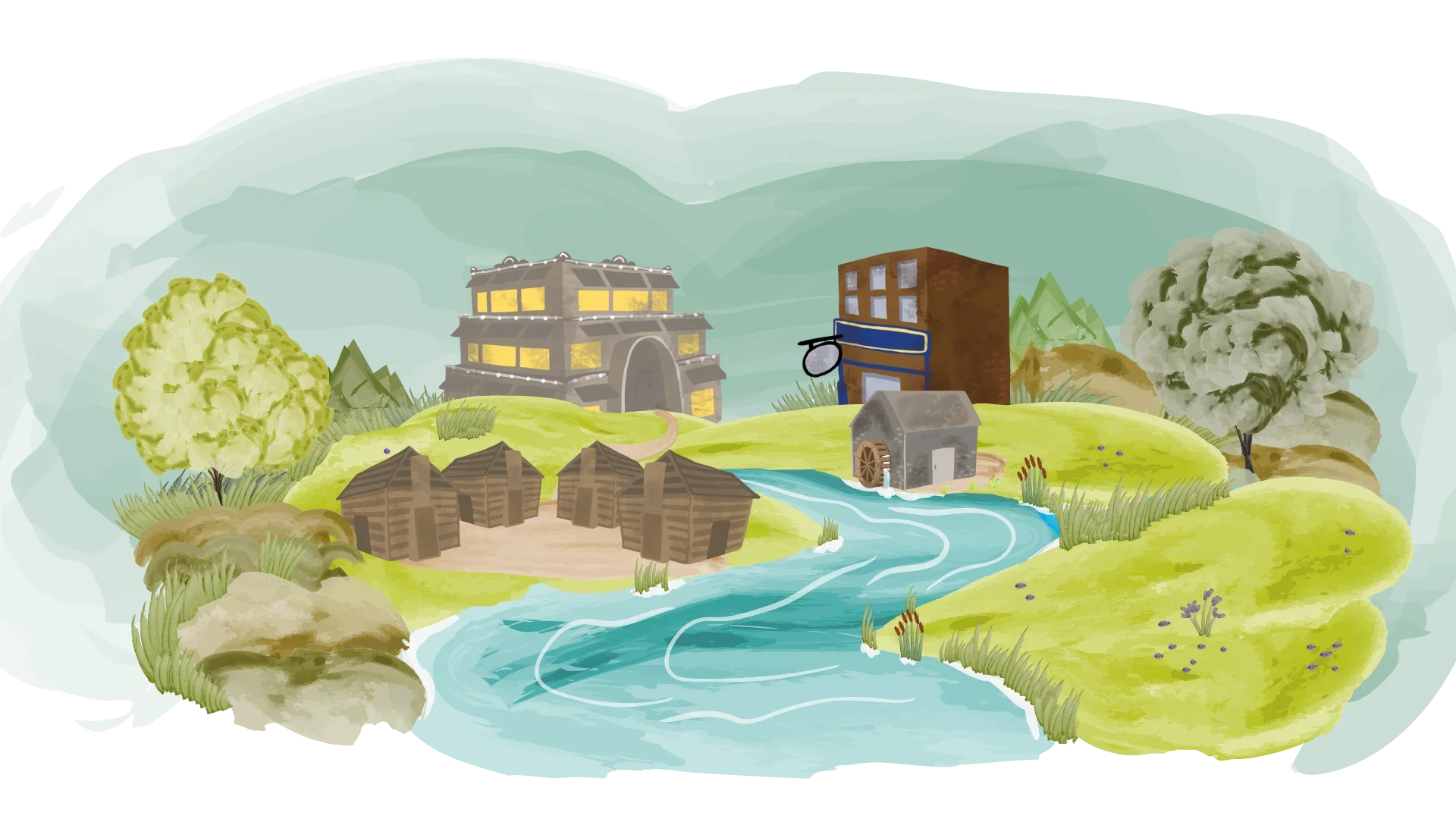
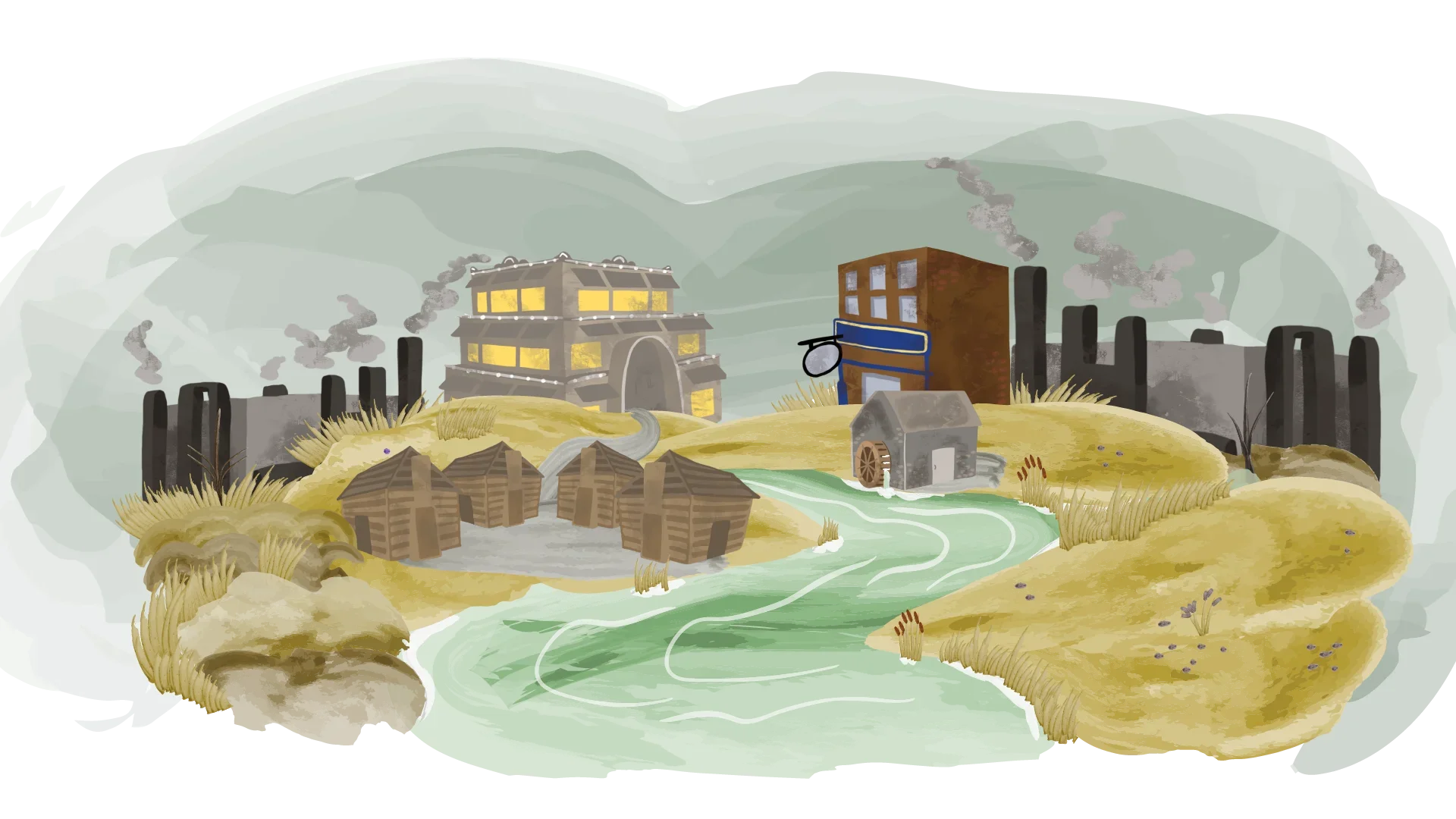
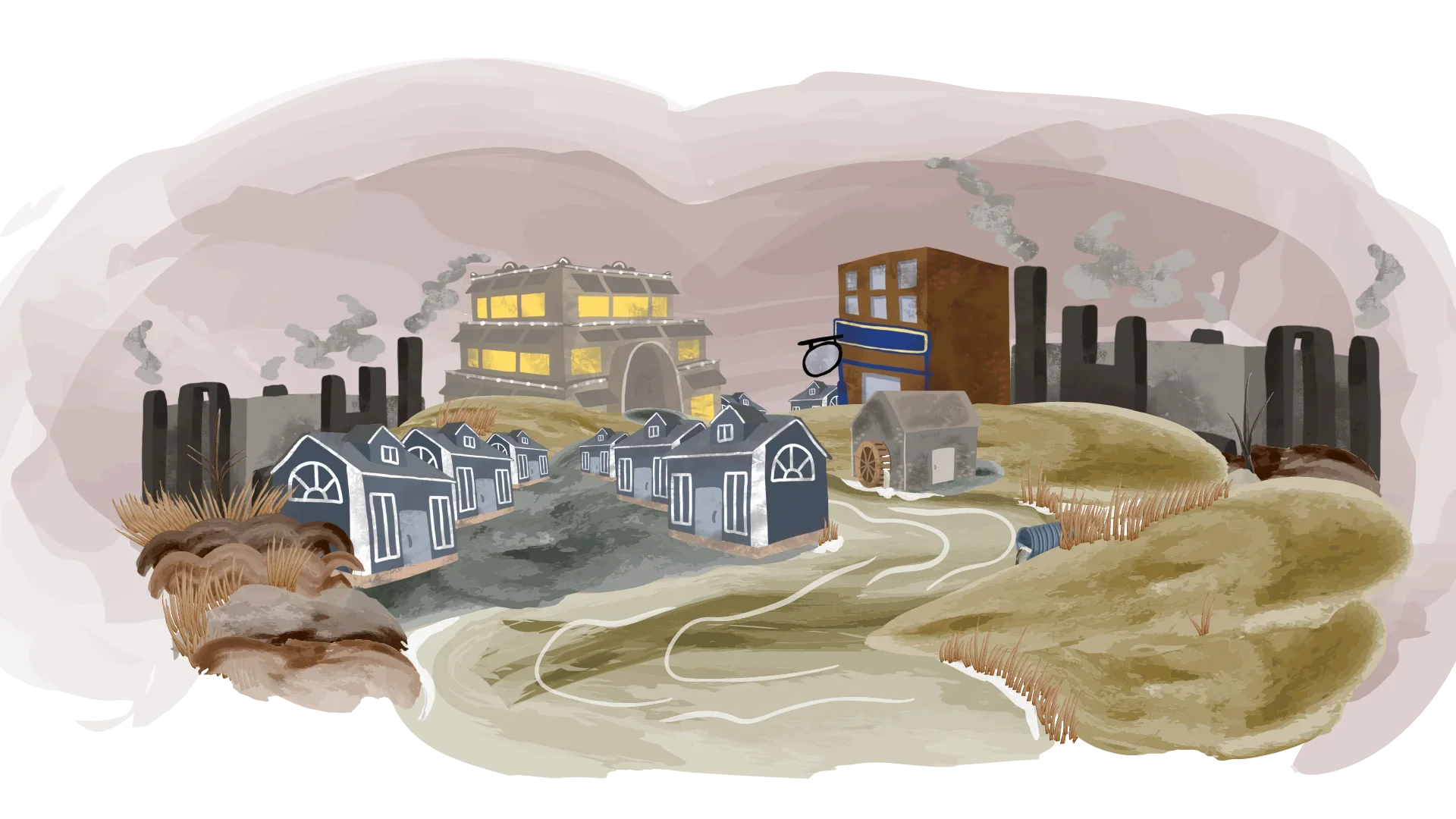
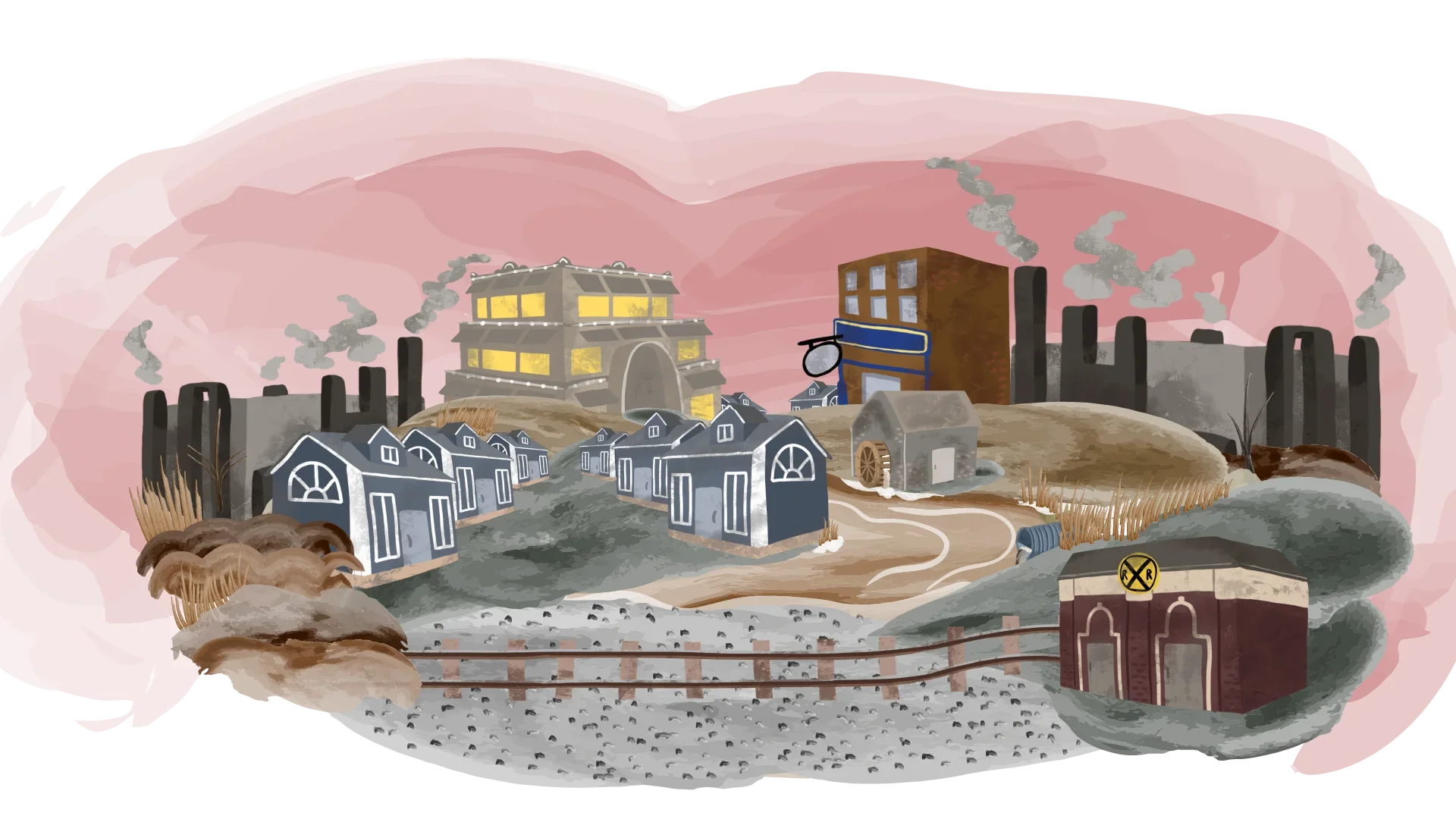
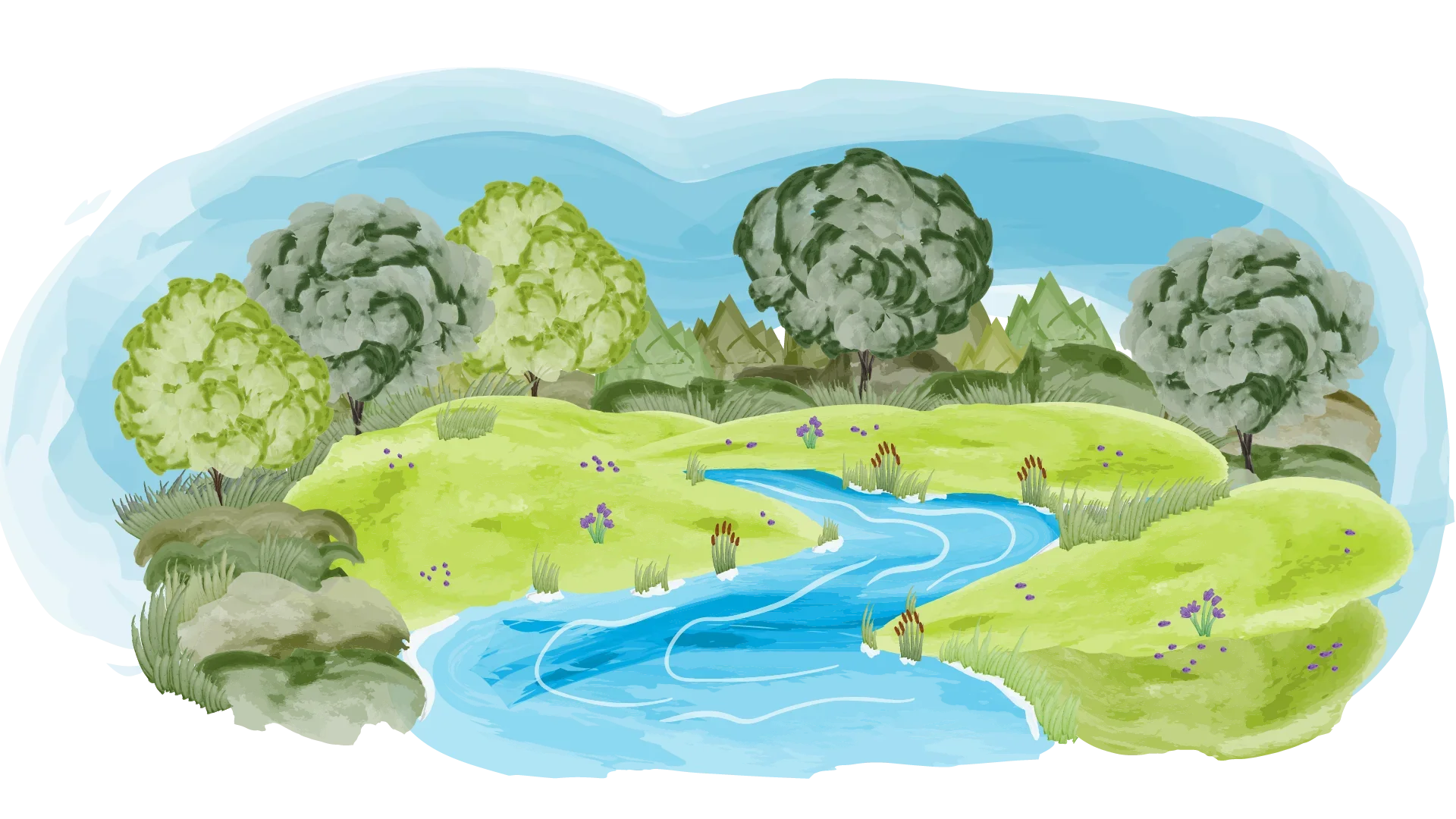
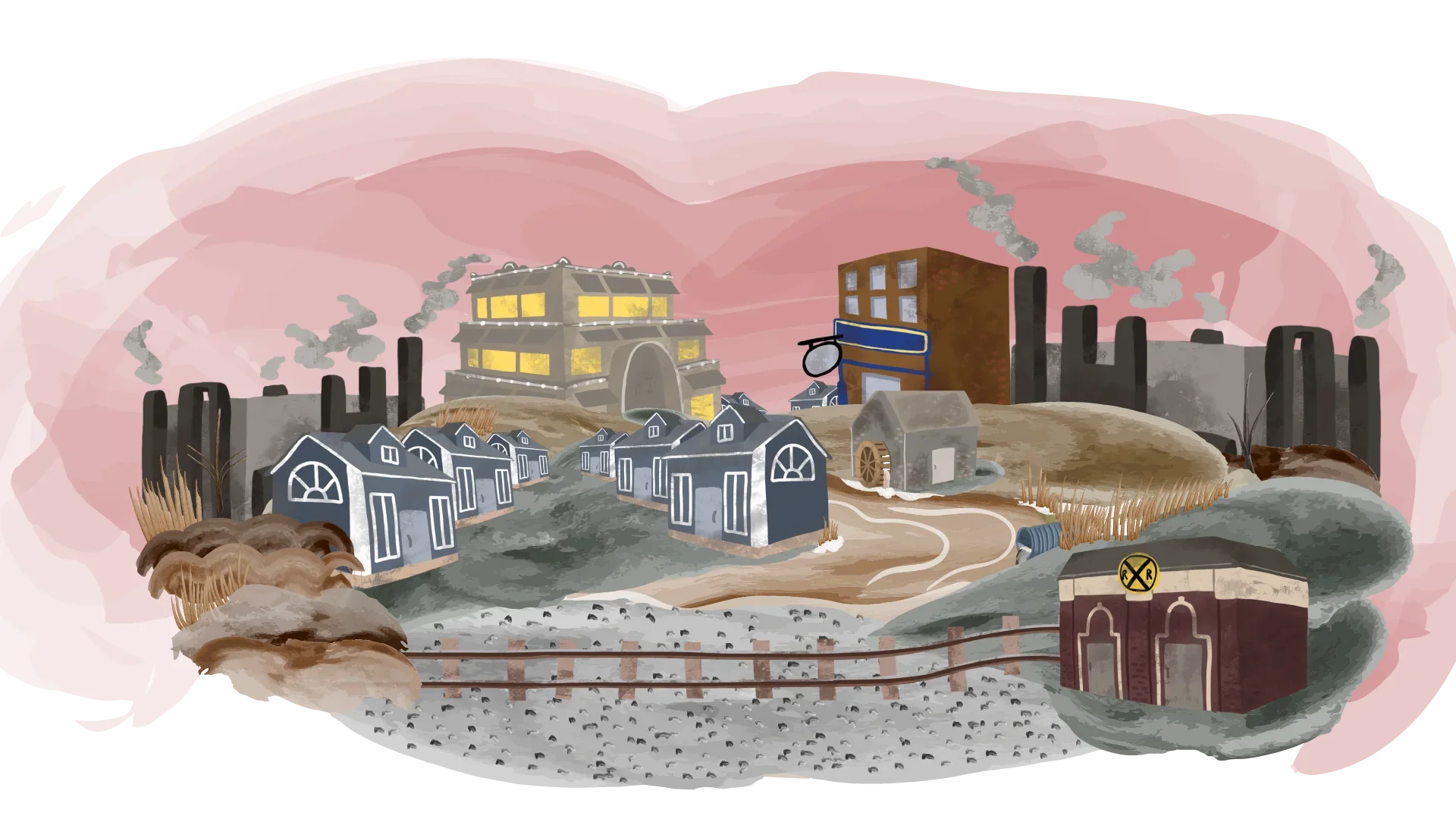
Midstory wanted to create a storymap, a series of changing images, in order to present the Mill Creek story. This storymap would showcase the gradual habitat degradation and urbanization of the watershed, showing a pristine wild area eventually turn into a waning industrial landscape. As a designer on the team, I collaborated with fellow intern Sasha Borislow in order to create the graphical elements of the story. We wanted to use a watercolor style for the imagery in order to create a sort of storybook aesthetic, and so using a combination of Procreate and Adobe Illustrator, we created the vignettes needed.
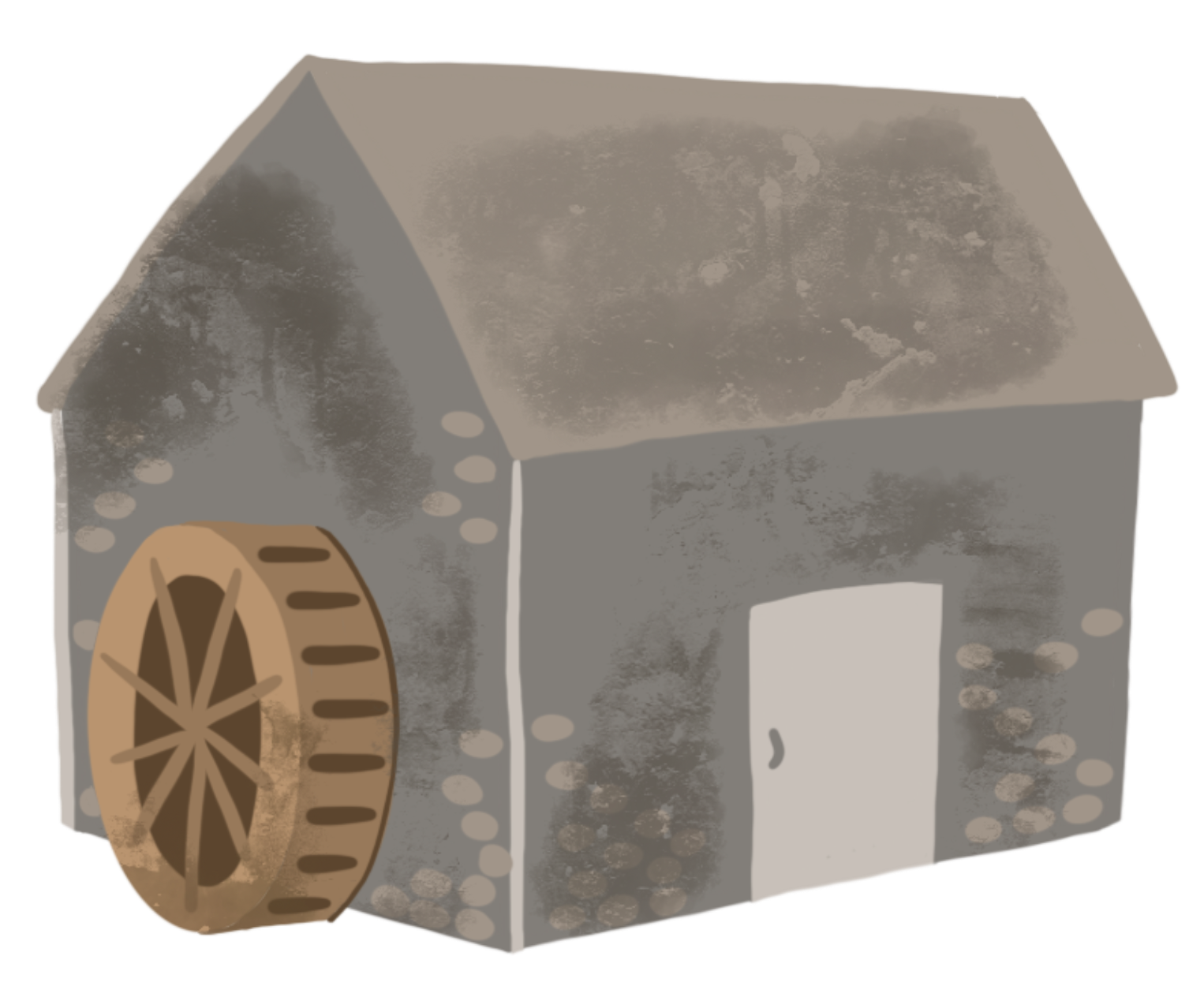
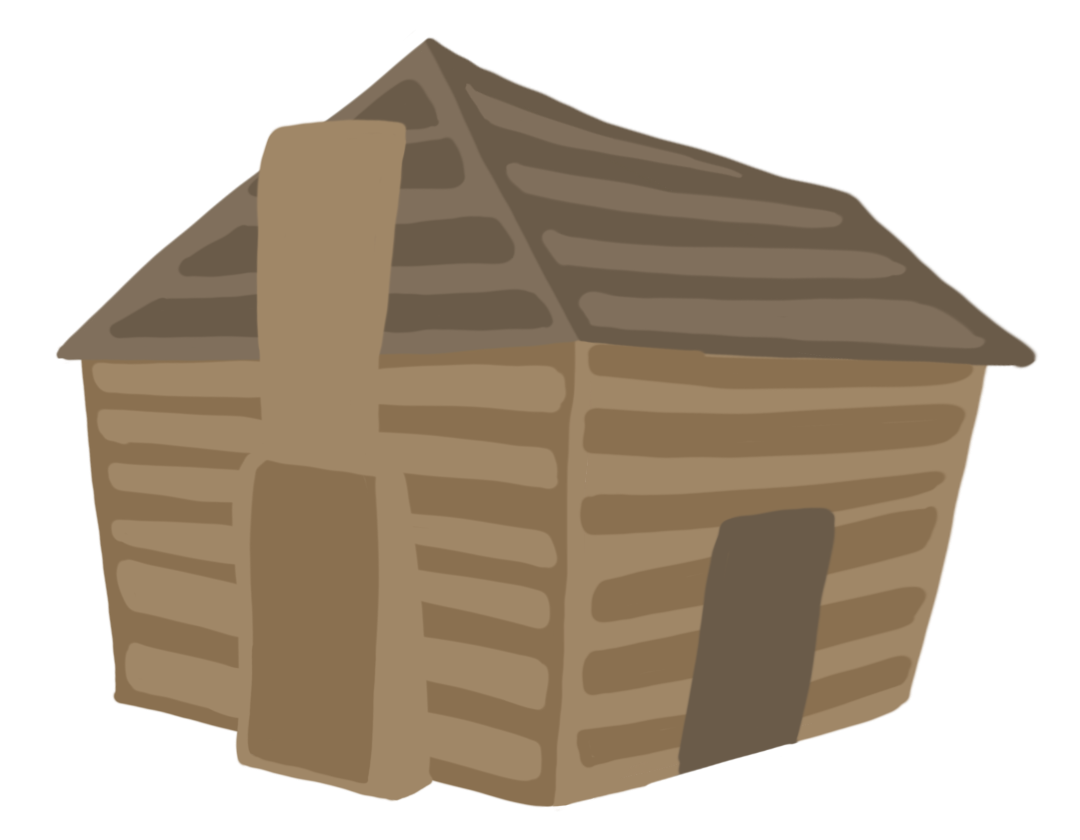
I created the environmental shots in Illustrator, each image showcasing gradual deforestation, water quality loss, and industrialization. Sasha, on the other hand, created all of the buildings and urban structures as separate assets in Procreate. She would then export these assets to me, and I would import them into my adobe files in order to create the final scenes. I wanted to depict a gradual habitat decline, showcasing how an environment can rapidly lose its biodiversity through human activity, creating a stark contrast between the first and final vignettes.
The Reflection
I am extremely pleased with my involvement on this project, not only for the artwork I produced, but for the message that I was able to convey. I have always held the firm belief that humanity and nature can exist in tandem, not just in opposition. Being a part of this project meant bringing attention to communities and environments without much broader exposure, and thus I could help facilitate a dialogue that would hopefully benefit both sides.
I may have primarily tackled the design aspect of this project, but the overall message is what I find to be far more valuable. In a tumultuous period for the environment and global biodiversity, the most effective change can start in the average person’s backyard. Up Mill Creek shows that eco-awareness doesn’t always have to start with Polar Bears in the arctic, but rather with the bats, birds, and bullfrogs living in an Ohio Metro park.
A recorded segment from the Maple Heights listening event.